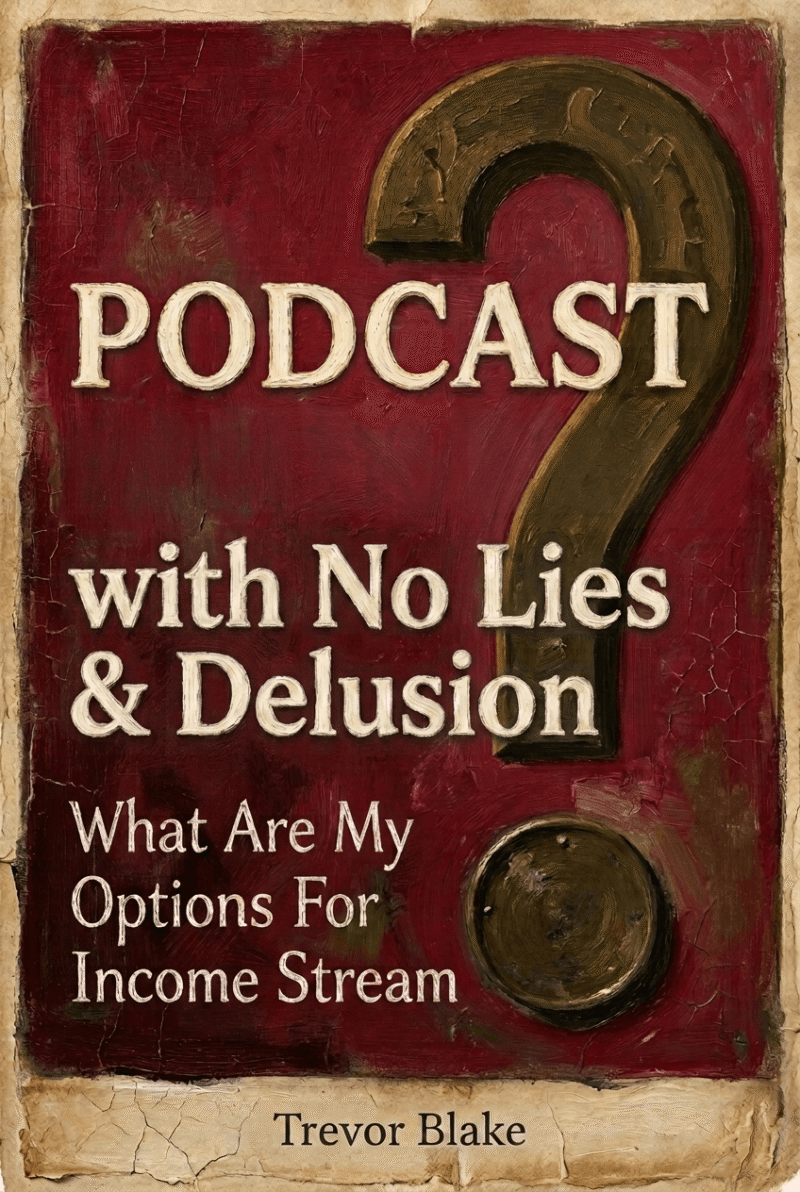
The Question Hiding Behind “Should I Start a Podcast?”
Every chapter so far has treated podcasting as a system with real costs, real revenue models, and real odds. This chapter steps back from the podcast itself and asks a different question: are you someone who should be running a one-person business at all? That question is not rhetorical, and it is not optional to skip. Podcasting, regardless of which revenue model from Chapter 3 you eventually choose, requires you to function as a solo operator — producer, marketer, strategist, and product, often within the same afternoon. If that role does not suit you, no amount of topic refinement or equipment upgrades described in earlier chapters will fix the mismatch.
Does Podcasting Teach Entrepreneurship, or Does It Require It First?
Beginners often imagine podcasting as a way to learn entrepreneurship by doing — start the show, figure out the business side as you go. The honest answer is that this happens in the wrong order more often than starter guides admit. Industry surveys of solopreneurs in 2026 found that over 60 percent underestimated the challenge of handling every aspect of a business on their own, according to Founder Reports’ 2026 solopreneur statistics roundup, a figure collected across solo businesses generally, not podcasting specifically, which suggests the problem is not unique to podcasting — it is a generic hazard of operating alone for the first time, and podcasting offers no exemption from it.
Some entrepreneurial skills are genuinely learnable through the act of running a show — scheduling discipline, basic audience analysis, comfort with public output, tolerance for inconsistent feedback. But the skills most responsible for whether a one-person venture survives — marketing and customer acquisition, financial planning under uncertain income, and the judgment to know when to outsource versus do something yourself — are largely prerequisites, not byproducts. The same 2026 solopreneur research found that 34 percent of solo founders cite marketing or customer acquisition as their single biggest ongoing challenge, ahead of nearly every other obstacle, and this is exactly the skill most podcasting starter guides assume will simply develop along the way rather than treating it as something to assess honestly before committing a year of evenings to the attempt.
This does not mean you need an MBA or prior business ownership before recording episode one. It means the parts of entrepreneurship that determine survival — not the parts that make for an interesting personal essay later — are worth honestly assessing in yourself now, rather than discovering as a gap eighteen months in, at the exact point Chapter 1 showed most podcasters are already deciding whether to quit.
What “One-Person Business” Actually Demands
It is worth being concrete about what running a podcast as a business module actually requires of one person, function by function, because most beginners only picture the parts that involve a microphone. A working solo podcast operation typically demands content research and writing, recording and technical setup, editing across audio and increasingly video, thumbnail and cover art design, show notes and metadata for discoverability, guest outreach and scheduling if the format involves interviews, social promotion and repurposing as described in Chapter 2, basic analytics review, and — if any of the revenue models from Chapter 3 are working — invoicing, contracts, and the administrative overhead of actually being paid.
continue….